How metal art objects are made
From simple materials to unexpected forms — a process shaped by experimentation, intuition and small discoveries along the way.
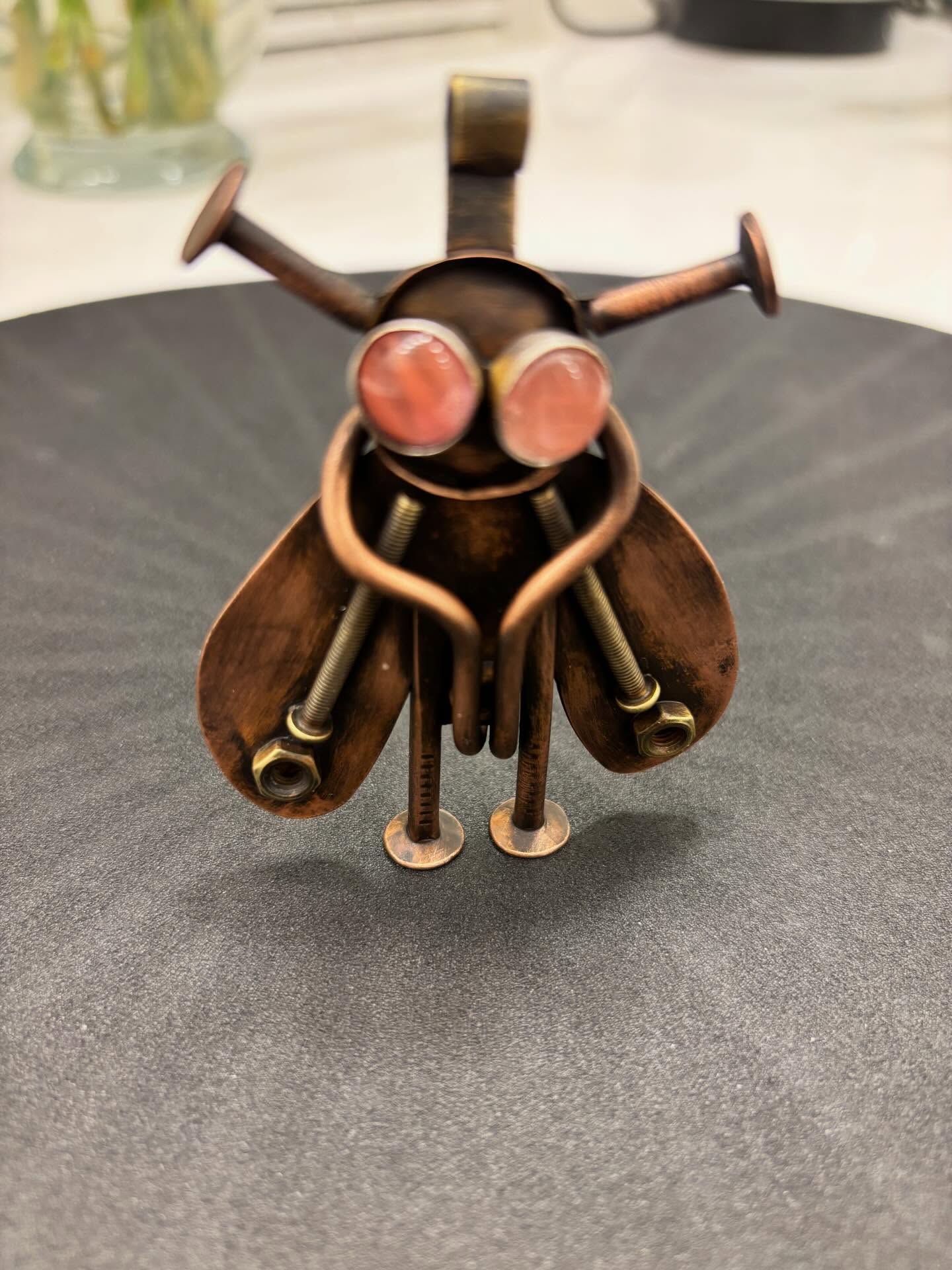
Metal art objects rarely begin with a fixed plan. Instead, they start with materials — fragments, tools, discarded pieces — and an idea that evolves through making. The process is not linear. It moves through trial, adjustment and moments where the material itself suggests the next step.
This approach creates objects that feel alive. Each piece carries marks of the process, small imperfections and decisions that cannot be repeated in exactly the same way.
Materials and starting points
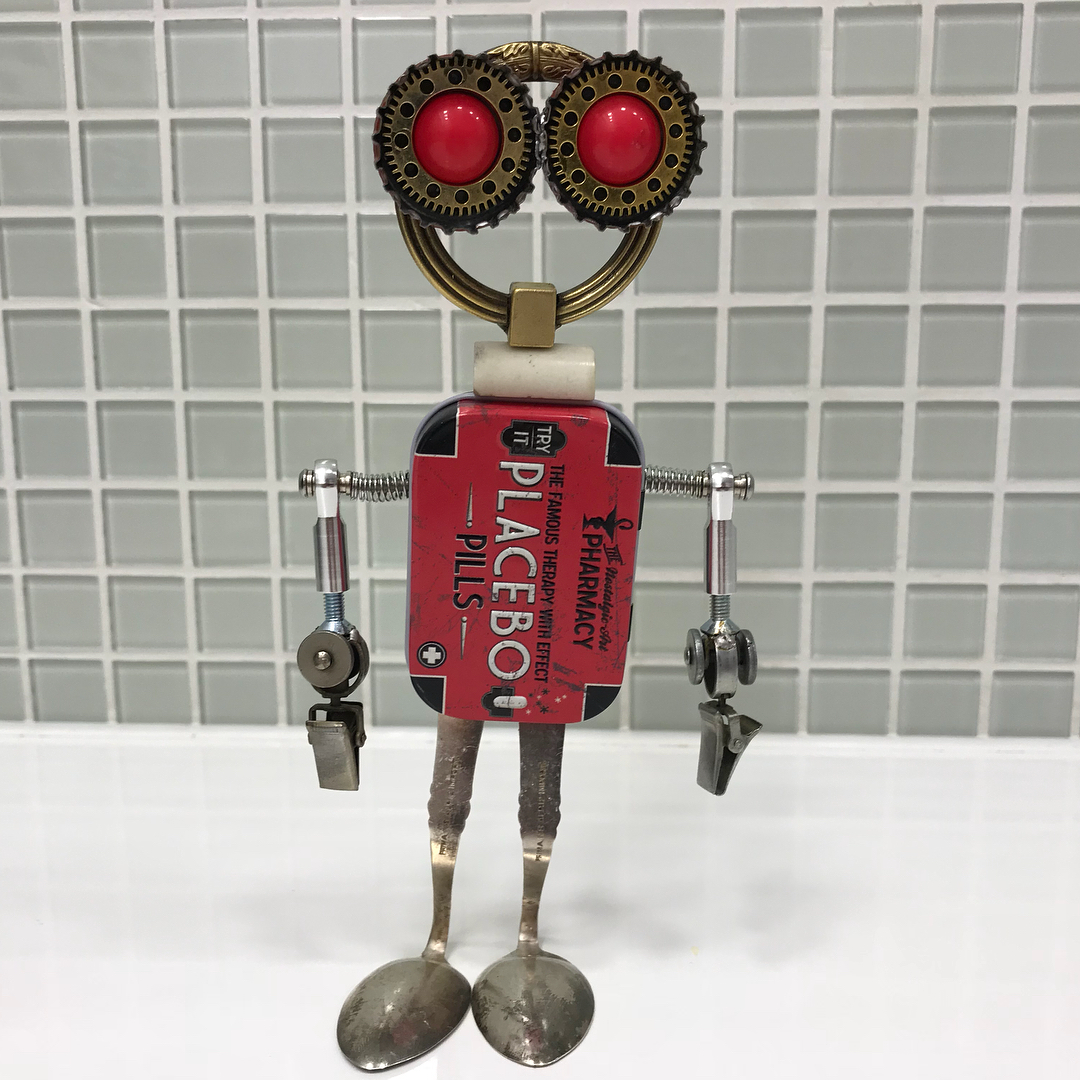
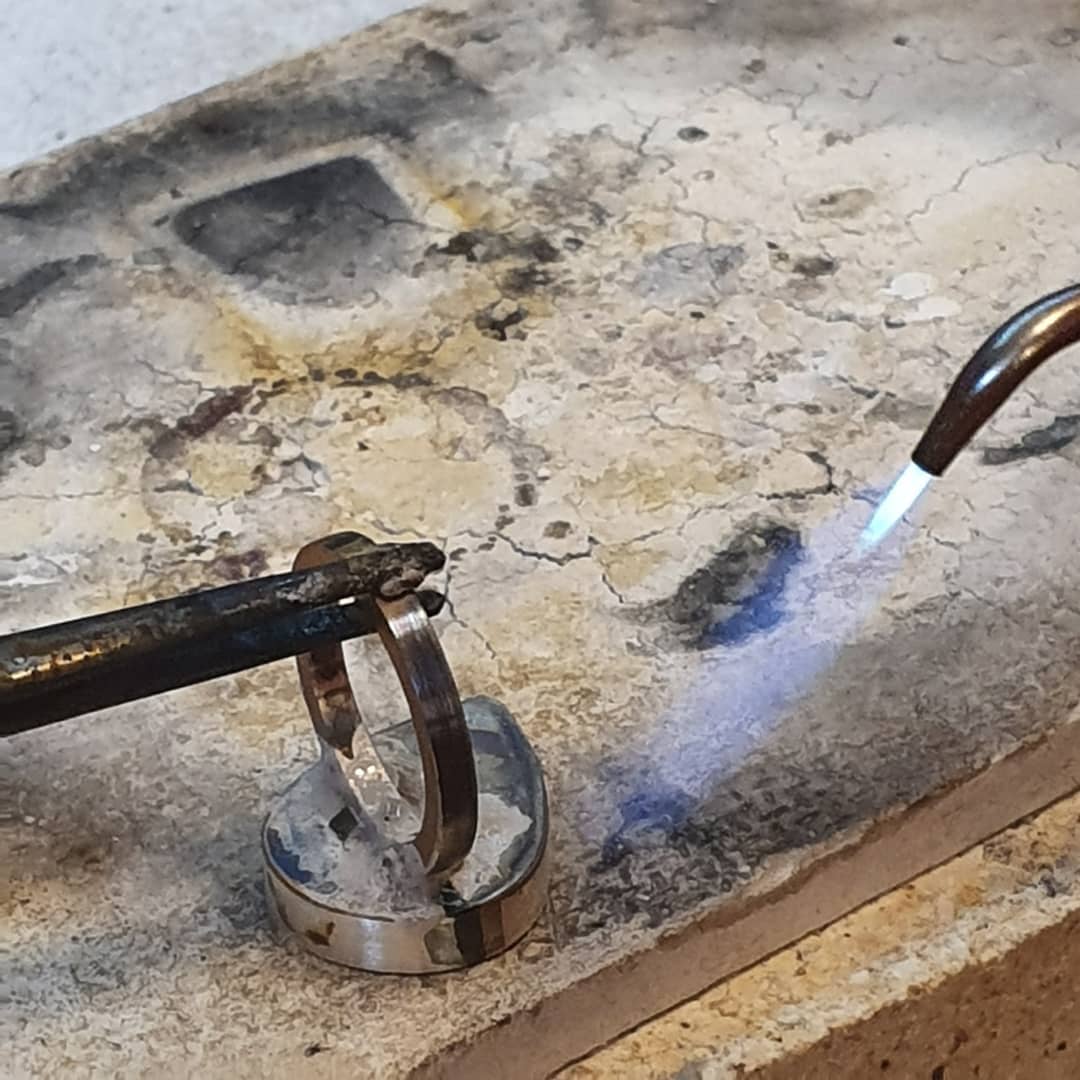
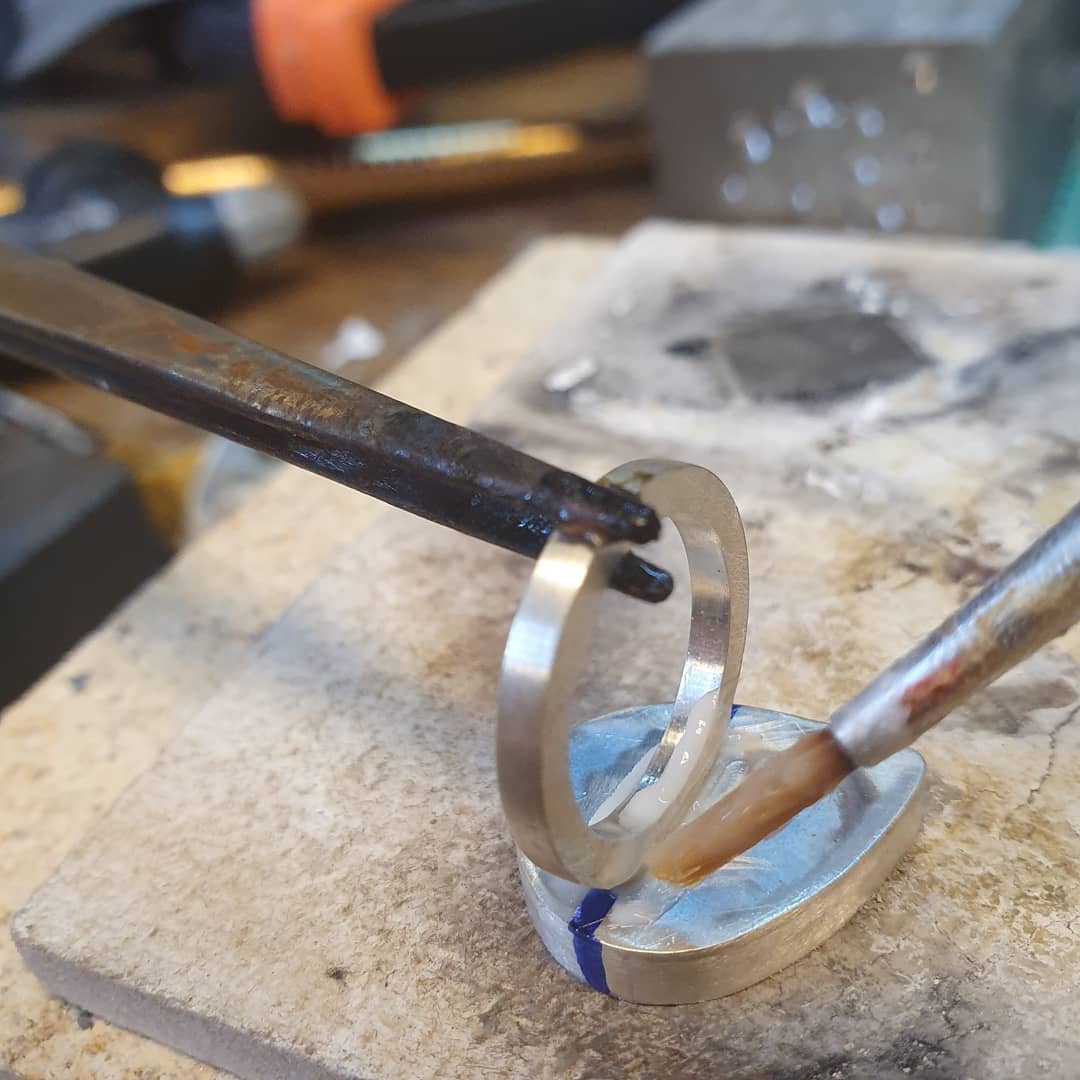
Many metal art objects begin with found materials. Coins, cutlery, copper, brass, silver or mechanical parts become the foundation. These materials are chosen not only for how they look, but for how they behave when shaped, heated or combined.
The starting point is often simple — a shape, a detail or a combination of elements. From there, the piece grows organically.
The process
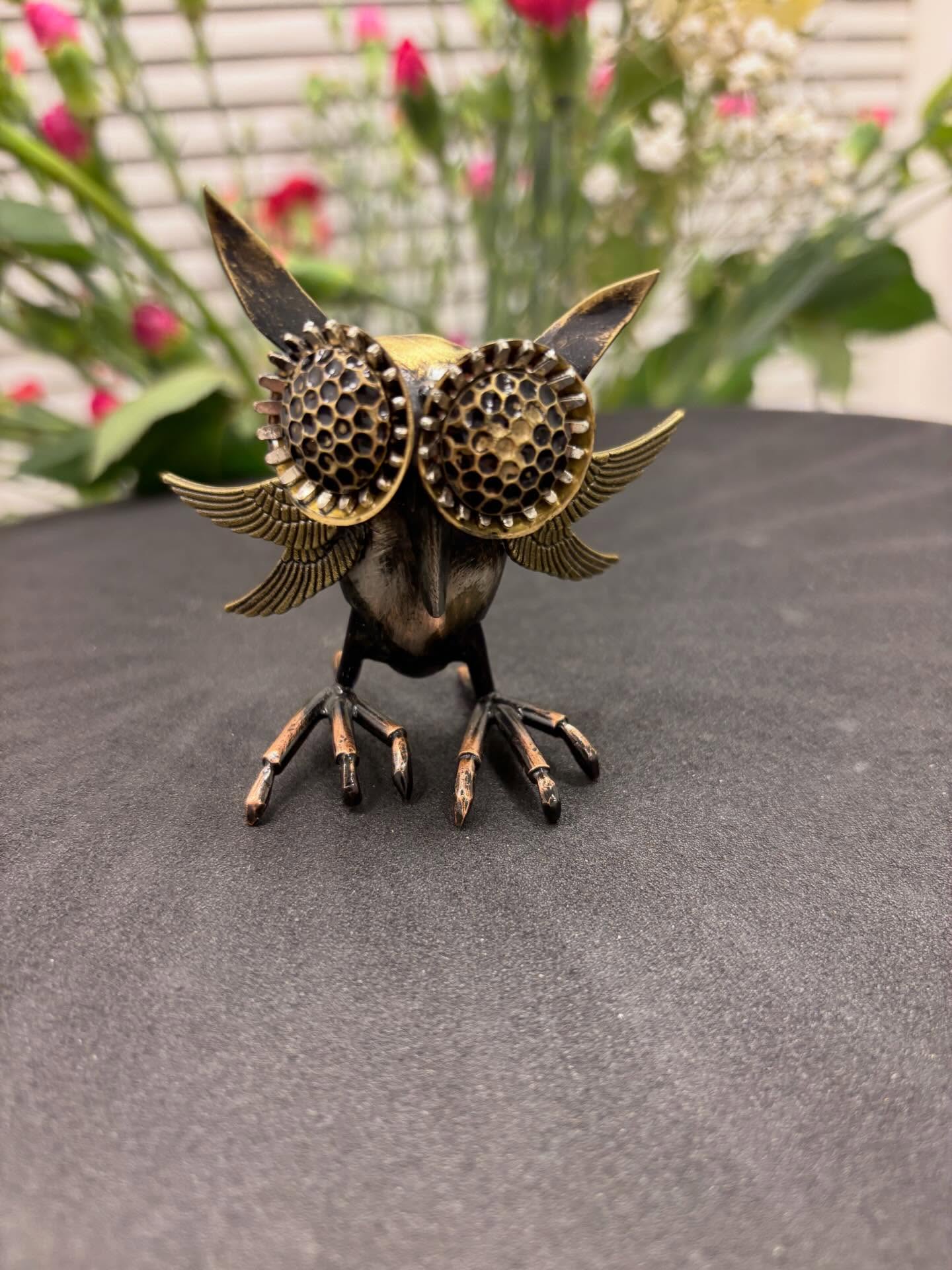
The making process is driven by experimentation. Cutting, bending, soldering and refining happen in cycles. A piece may change direction several times before it reaches its final form.
Unlike industrial production, there is no exact repetition. Each object develops its own identity through small adjustments and decisions made during the work.
Objects, not products
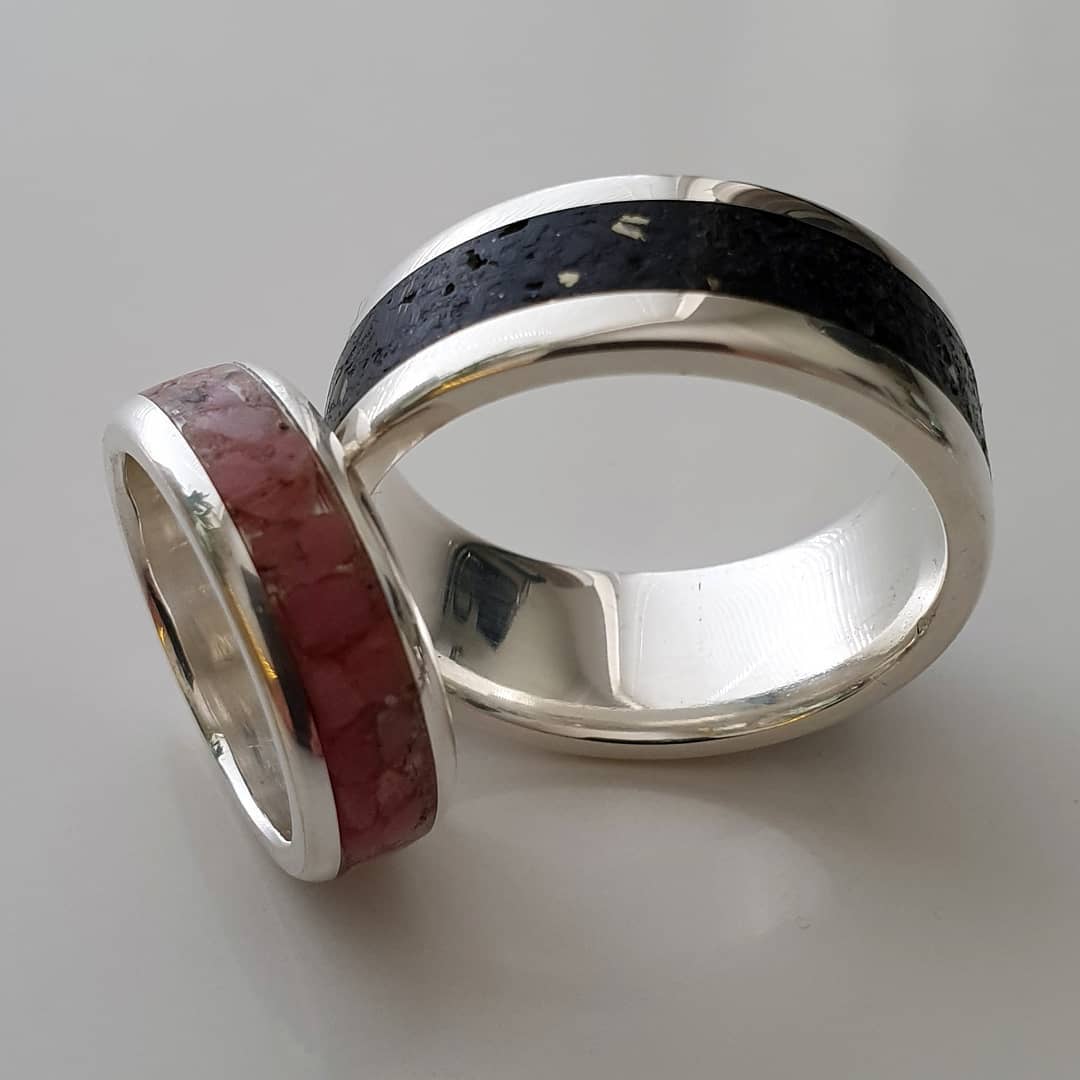
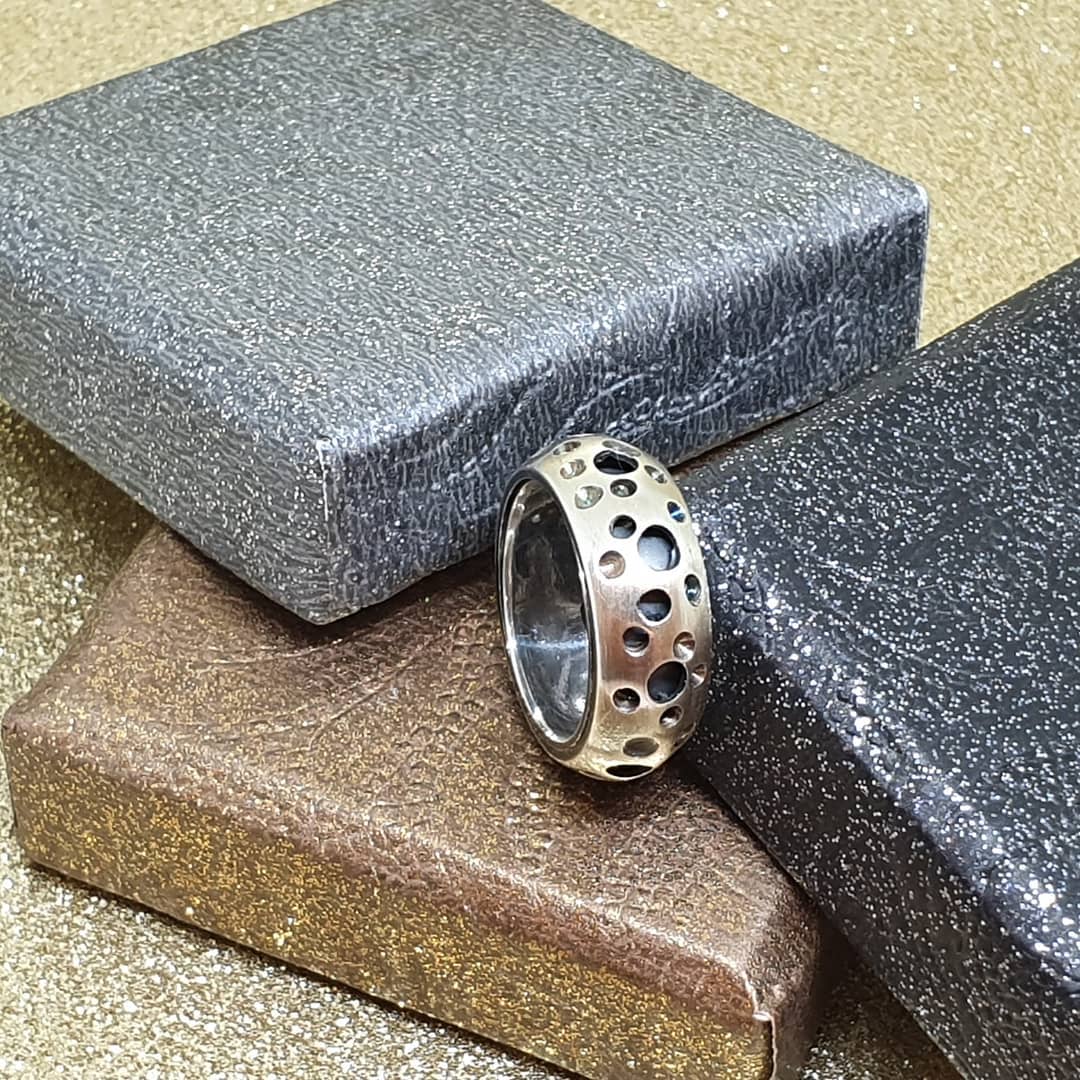
These pieces are not designed as products in the traditional sense. Some become jewelry, others remain as small sculptures or experimental objects. The focus is on transformation — how a material changes through time, pressure and attention.
This way of working allows each object to stay unique. No two pieces are exactly the same, even if they share a common idea or structure.
Explore more metal art objects and handmade creations.
Explore the work
See the full collection of metal art objects, handmade creations and silver jewelry.
View creations