From cutlery and coins to handmade metal art
Ordinary materials can become something unexpected — small sculptures, wearable pieces and handmade objects shaped from metal, memory and play.
Handmade metal art often begins with materials that already have a story. Old cutlery, coins, copper, brass, silver and small mechanical parts all carry traces of previous use before they become part of a new object.
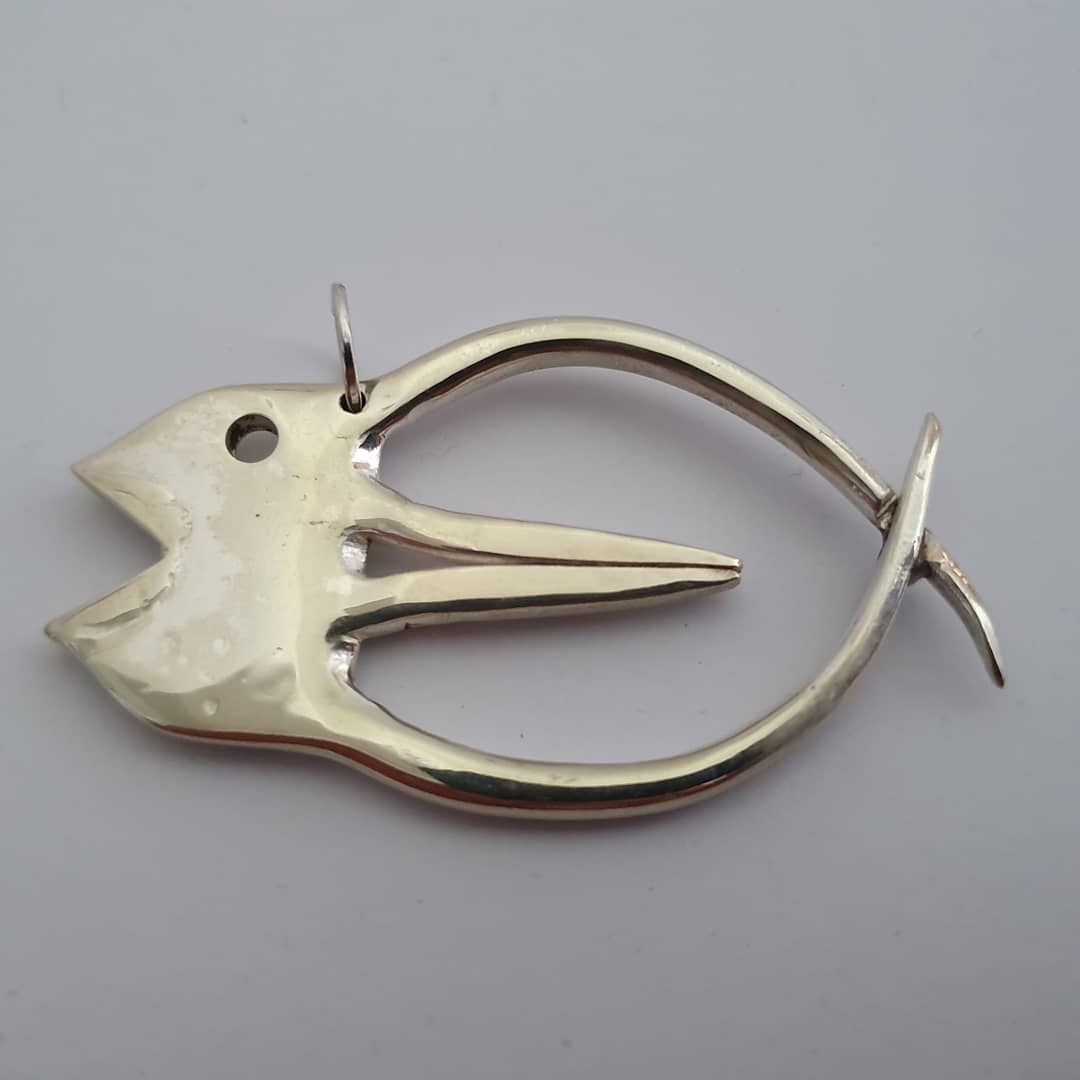
The process is less about hiding the original material and more about transforming it. A spoon can become a body, a coin can become a detail, and a small metal part can suggest the character of a miniature figure or sculpture.
Why reused materials work so well
Reused metal has character. Scratches, curves, stamps and worn edges can become part of the finished piece instead of something to remove. This makes each object feel more alive and less predictable.
Cutlery and coins are especially interesting because they are familiar objects. When they are reshaped into handmade metal art, the viewer can still sense what they once were, even when the final form has changed completely.
Finding the form
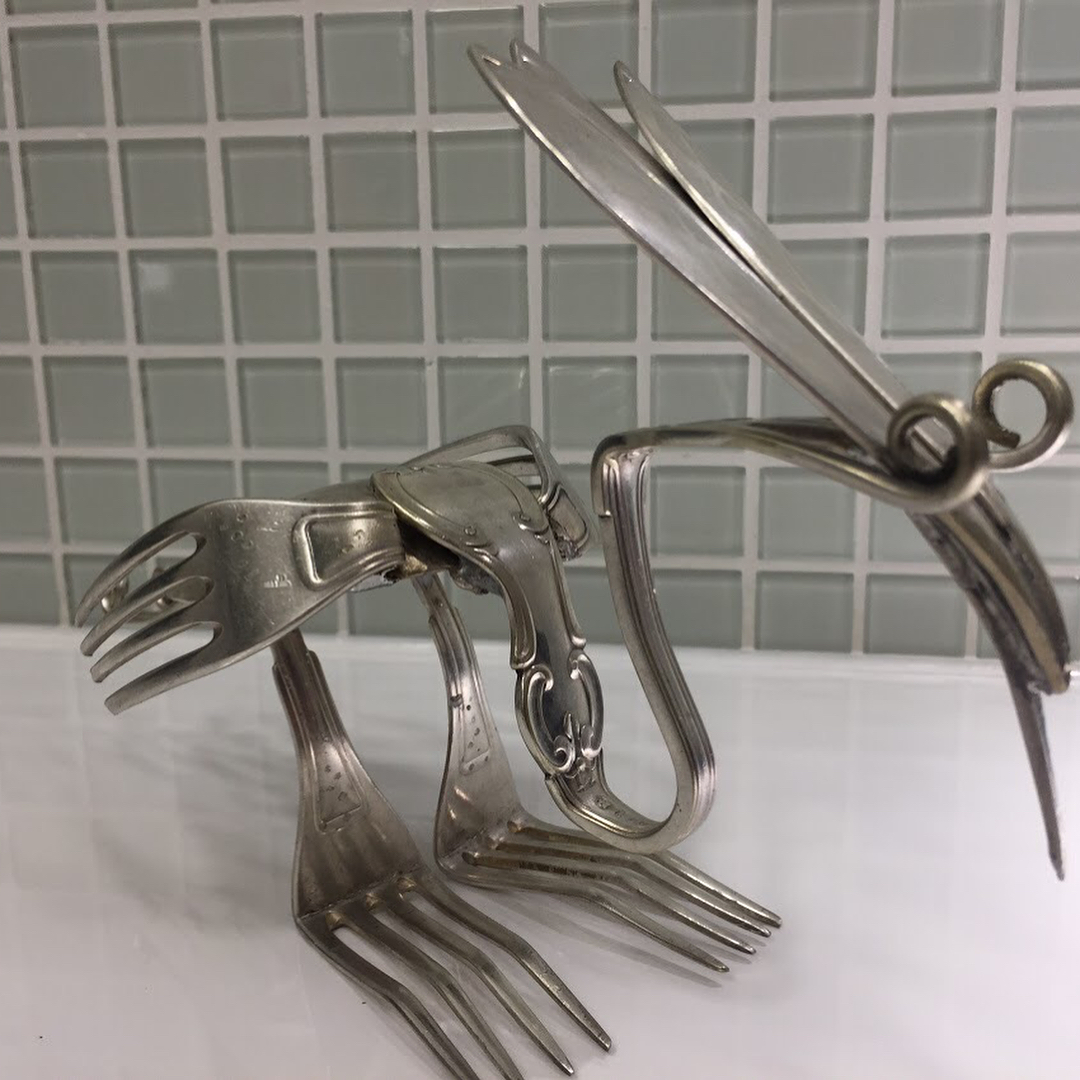
The form often appears during the making process. A curve might suggest a wing, a small screw might become an eye, or a piece of brass might suddenly feel like part of a small robot, animal or abstract object.
This is why the work is not simply metalwork. It is metal art: the material is shaped, but the idea is shaped at the same time.
Where jewelry and objects meet
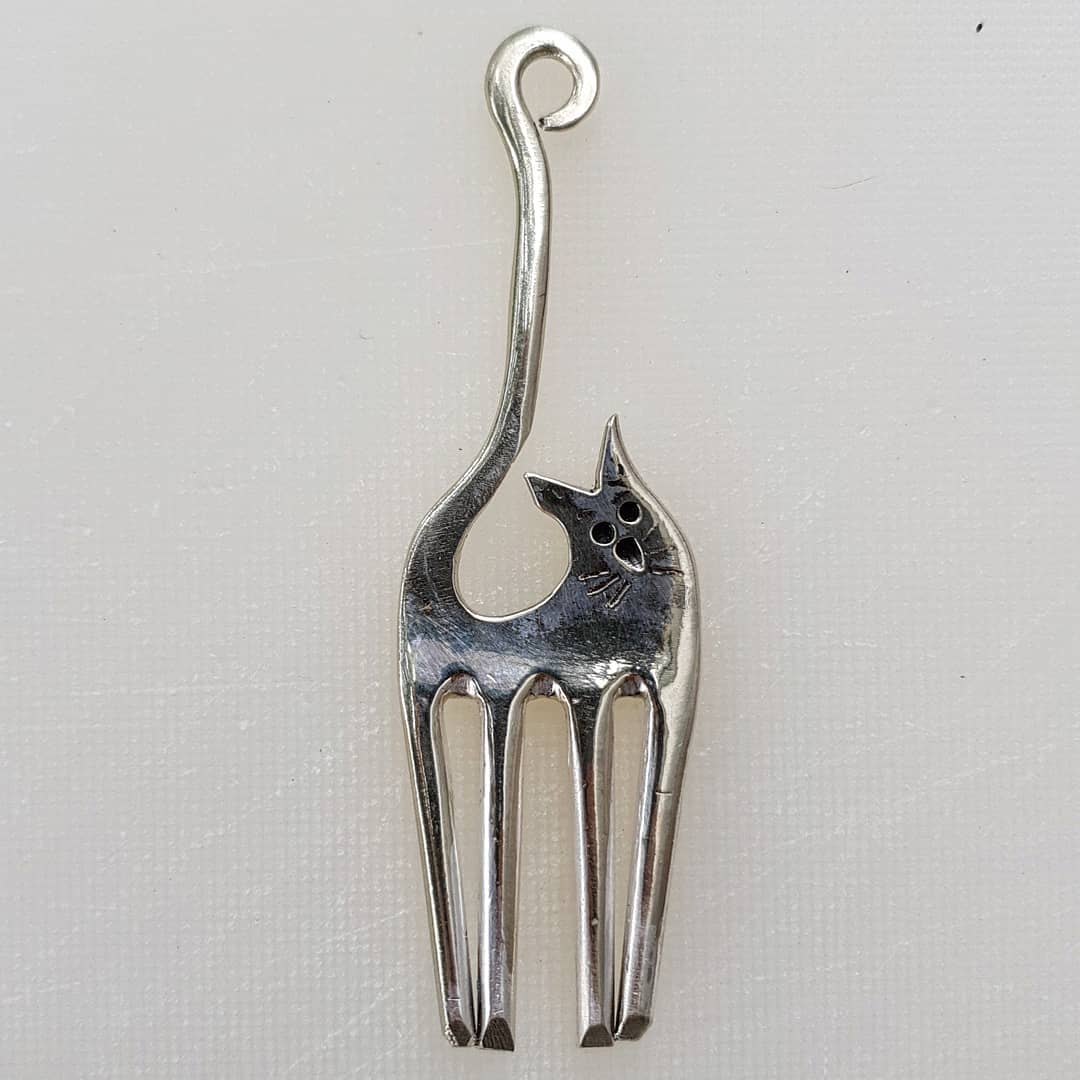
Some pieces become wearable jewelry, while others remain as small sculptures or objects. Silver rings and earrings may look more refined, but they still belong to the same way of thinking: material first, then form, then feeling.
The connection is transformation. Whether the result is a ring, a keyring, a robot, an owl or a small decorative object, the work begins with the same question: what can this material become?
Explore the creations
See more handmade metal art objects, silver jewelry and experimental pieces.
View creations